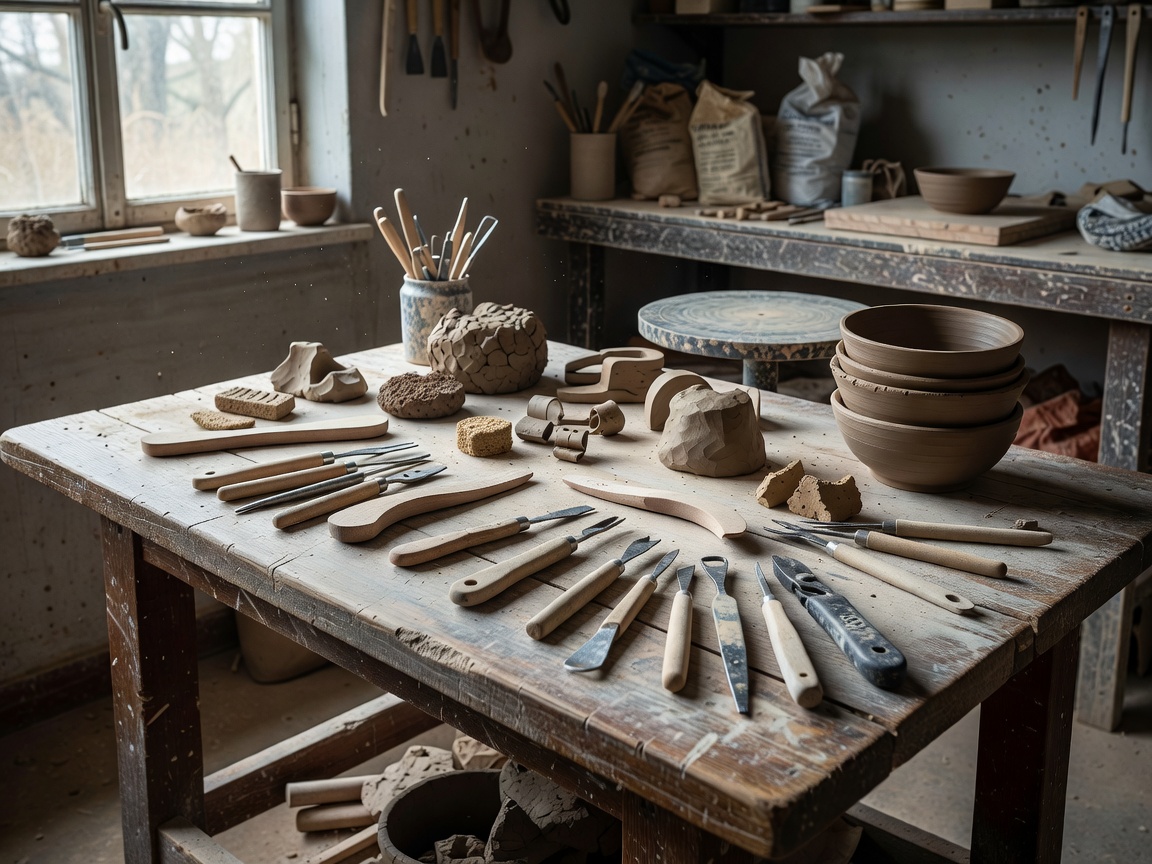
EDUCATION / FORMAT
Heritage Craft Courses
Compare short courses, demonstrations, supervised practice and intensive workshop structures.
Compare course formats →EUROPEAN HERITAGE WORKSHOP / 2026
Understand traditional European techniques, course formats, materials, tools and regional craft traditions. Use clear information before you enter a workshop.
FIELD GUIDES / 05 ROUTES
EDUCATION / FORMAT
Compare short courses, demonstrations, supervised practice and intensive workshop structures.
Compare course formats →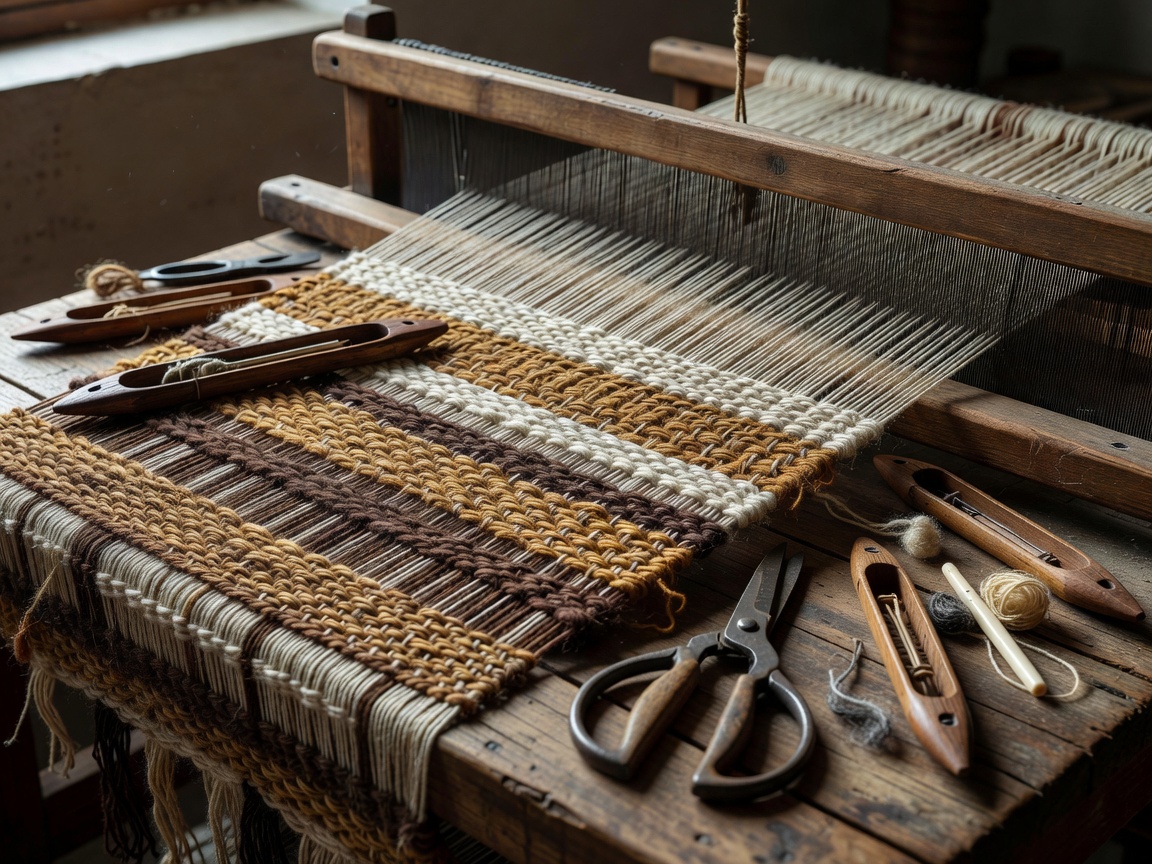
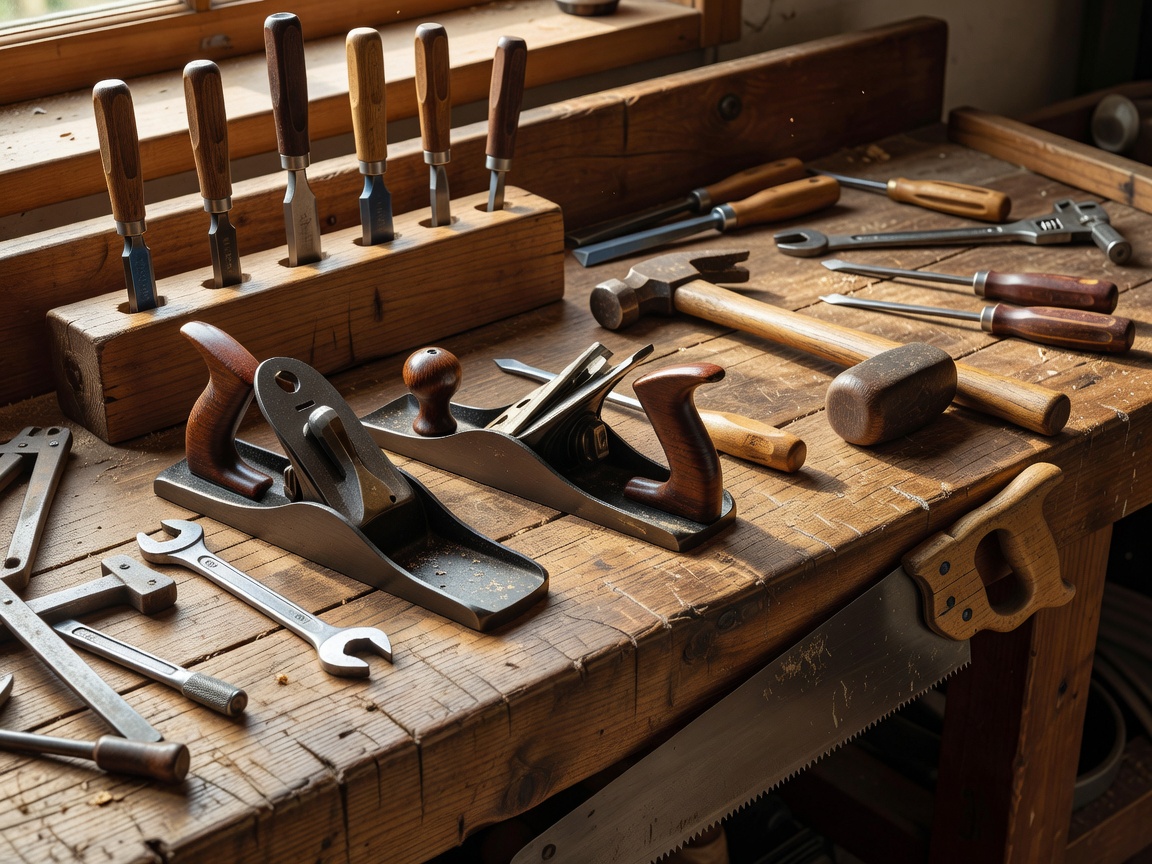
METHOD / PRACTICE
Build a useful overview of woodworking, ceramics, weaving, masonry, basketry and more.
Study the techniques →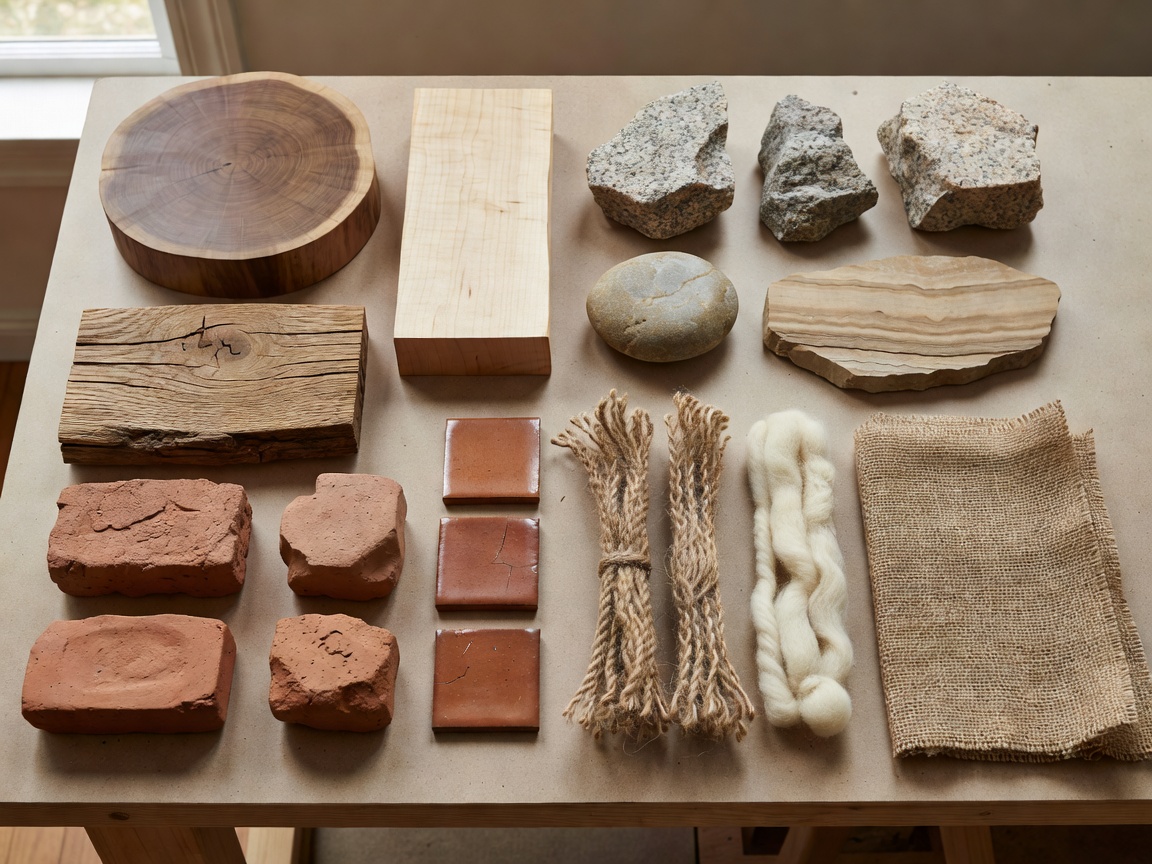
MATERIAL / TOOL
See how timber, stone, clay, fibers, pigments and hand tools shape practical decisions.
Review material choices →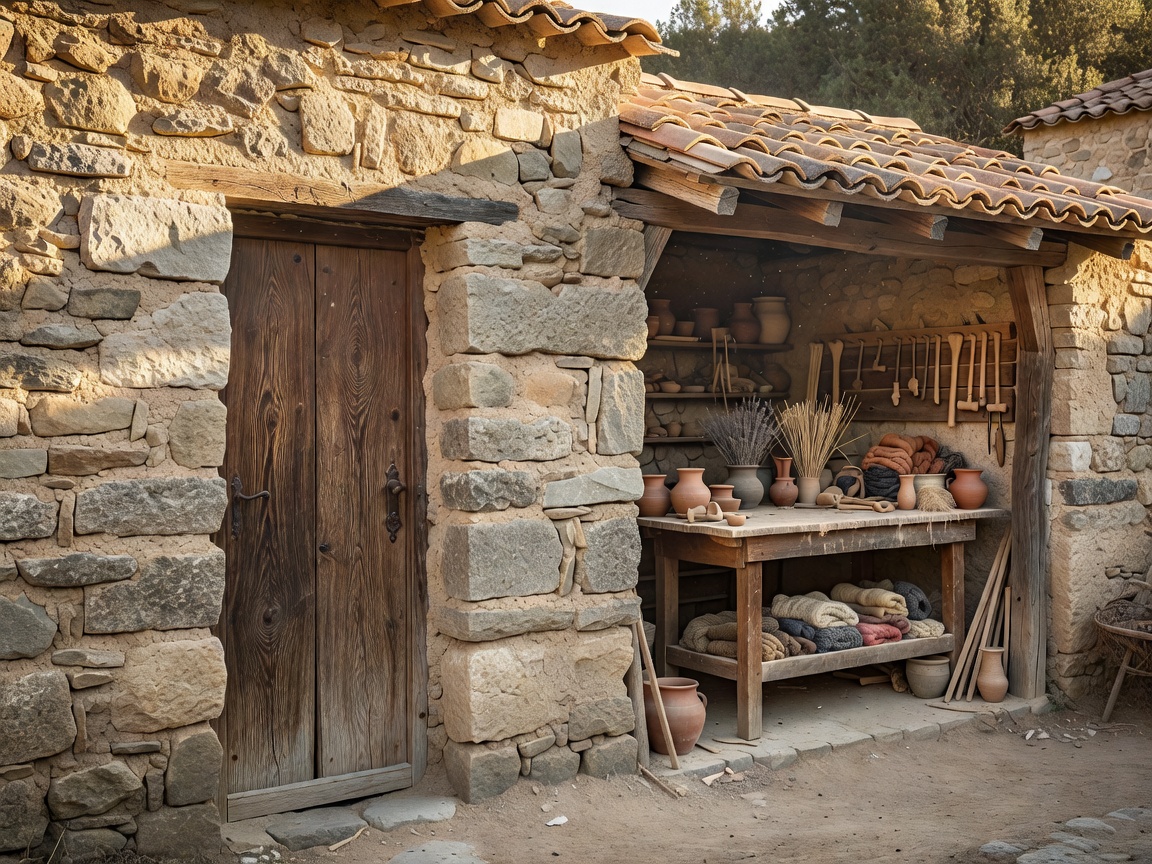
PLACE / CONTEXT
Compare broad regional contexts without reducing complex traditions to national labels.
Read the regional guide →
PRACTICAL / PLANNING
Check duration, tools, safety, travel, language, costs and cancellation terms before booking.
Plan with the checklist →THE WORKSHOP LOGIC
Grain, density, moisture, texture and origin affect what can be made.
Tool geometry and maintenance determine control, pace and finish.
Methods are learned through demonstration, repetition and correction.
Climate, trade, available resources and local teaching shape adaptation.